
The Lie of Smart Homes - Why Big Tech Domotics Is a Privacy Trap
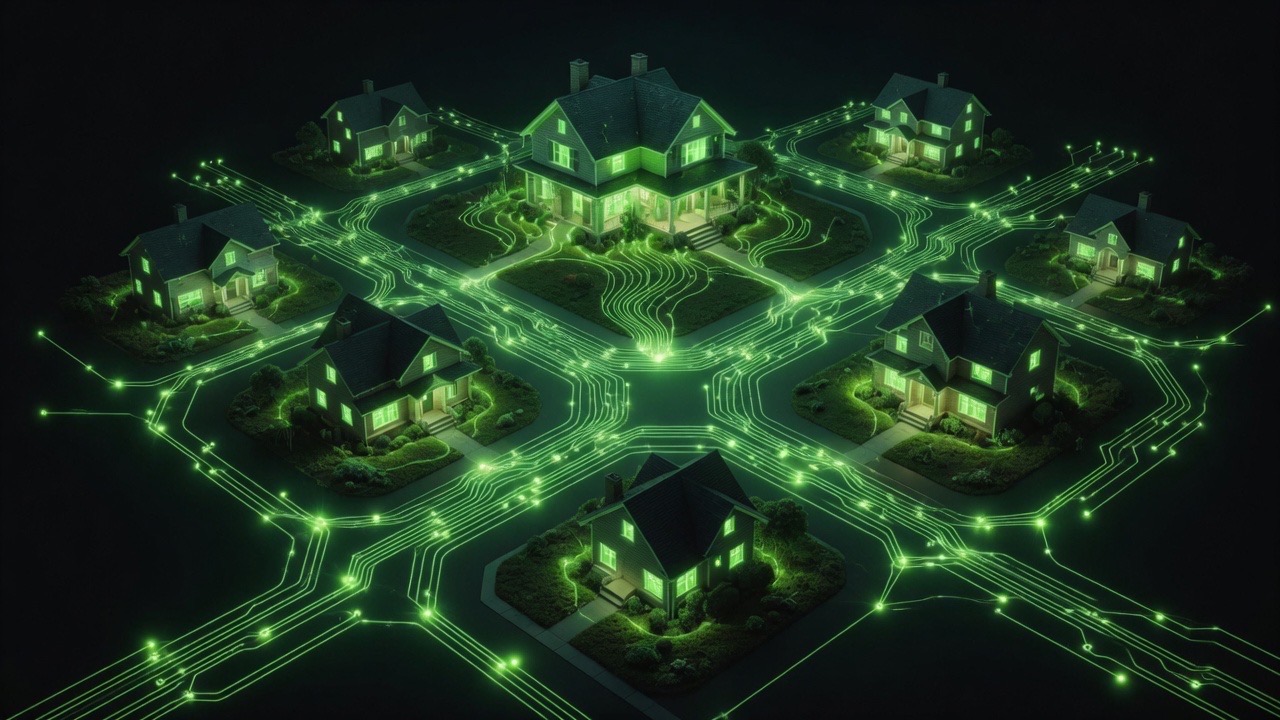
Modern smart homes promise convenience, automation, and intelligence. Flip a switch with your voice, lights dim when you walk in, thermostat learns your habits. Sounds great, until you realize you are handing over your intimate life to opaque corporations.
The Structural Problem With Cloud-Dependent Smart Homes
Alexa, Google Home, Apple HomeKit, Samsung SmartThings: they all rely on cloud backends. Your data (when you wake up, when you are home, what you watch, who visits) flows through their servers. Even "local" modes often phone home for updates, analytics, or "improvements." Firmware is closed. Features get removed. Accounts get banned. Security incidents happen. And once the company decides your device is end-of-life, it becomes a brick or a security liability.
This is not paranoia. It is basic opsec. Your home is your most intimate space. Why outsource its brain to people who sell ads and data?
Why Home Assistant Wins
Home Assistant (HA) is the central nervous system. It runs entirely on your hardware (Raspberry Pi, mini PC, old laptop, or dedicated box like HA Green). It integrates thousands of devices locally via Zigbee, Z-Wave, WiFi (ESPHome / Tasmota), MQTT, and more.
Pair it with DIY and hackable hardware and you get elegant, reliable automations without the surveillance tax.
Best Hackable Domotics Brands in 2026
Focus on devices that play nice locally and are easy to flash or integrate.
Athom: Athom is the current standout. Pre-flashed ESPHome devices out of the box. Excellent switches, plugs, sensors, and displays designed specifically for HA. Reliable firmware, good community support, and they do not force cloud. Perfect "set it and forget it" for people who want hackability without constant tinkering. Strong contender for a one-stop shop.
Shelly: Shelly makes rock-solid relays, power monitors, and dimmers. Fully local control via MQTT or REST. Great for behind-the-wall installs. Firmware is open enough for custom flashes.
Sonoff (iTEAD): Sonoff is cheap and hackable. Many models flash easily to Tasmota or ESPHome. Great entry point for DIY.
ESP32 / ESP8266 modules: The ultimate hacker foundation, made by Espressif. Buy raw boards and sensors on AliExpress or specialized shops, flash ESPHome yourself. Temperature, humidity, motion, door sensors, energy monitors: endless possibilities.
Zigbee ecosystem: Aqara (sensors, switches), Third Reality, or IKEA Tradfri for battery-powered devices. Pair with a good coordinator (Sonoff Zigbee dongle or Home Assistant SkyConnect).
Z-Wave: Zooz or Aeotec for reliable, long-range devices (locks, sensors). Use Z-Wave JS integration.
Avoid anything that requires a proprietary hub or mandatory cloud account unless it can be fully local-flashed.
Home Assistant Setup for Maximum Privacy and Security
Here is how to build a hardened fortress.
Hardware Choice: Best option is a dedicated mini PC (Intel NUC, Beelink, or similar) or old desktop with good RAM. A Raspberry Pi 5 or HA Green works too. Run it 24/7 on a UPS for reliability.
Installation: Use Home Assistant OS (supervised or core on Docker for advanced users). Install via official image on SD card or USB. Access via local IP or set up DuckDNS and Let's Encrypt for remote access (with strong auth).
Core Hardening: Disable any Google or Amazon integrations unless absolutely necessary (and even then, use local-only where possible). Enable 2FA with a long random password. Use fail2ban via add-on. Put HA on its own VLAN or subnet. Block internet access except for necessary updates using firewall rules or Pi-hole/AdGuard.
Add-ons to install immediately:
- WireGuard or Tailscale: Secure remote access without exposing ports.
- NGINX Proxy Manager: Reverse proxy and SSL.
- Mosquitto: MQTT broker, local only.
- ESPHome: For flashing devices.
- Zigbee2MQTT or Z-Wave JS: Device integration.
- File editor and Terminal: For tweaks.
Updates: Enable auto-updates for core and add-ons, but review changelogs.
Backups: Regular automated backups to local NAS or encrypted external drive. Test restores.
Monitoring: Use Glances or Prometheus with Grafana add-on for system health. Set up alerts for unusual activity.
Secrets management: Use secrets.yaml properly. Never commit real credentials.
Device Connection Strategy
Prefer ESPHome for WiFi devices (flash your own firmware, full control, no vendor cloud). Use Zigbee2MQTT for battery sensors (excellent local control, supports most Aqara and others). Use Z-Wave JS for locks and critical devices. MQTT is the glue for everything. Avoid Tuya/Smart Life unless flashed to local firmware.
Example flow: Buy an Athom or Sonoff plug, flash and customize via ESPHome, expose via MQTT, build automation in HA.
Local AI Assistant: Voice, Gestures, and Smart Automations
This is where it gets elegant.
Voice Commands (Fully Local): Use Home Assistant Assist with local STT (Whisper) and TTS (Piper or Coqui). Hardware: Home Assistant Voice PE (official preview device) or cheap ESP32-based mics. For on-wrist control, LilyGo T-Watch Ultra (or similar ESP32 watch). Flash custom firmware or integrate via BLE/ESPHome. Trigger automations, get status, control lights: all local. Gestures via built-in sensors or simple button combos.
Gestures and Presence: mmWave sensors (Aqara FP2 or ESPHome versions) for room-level presence without cameras. LilyGo or custom ESP32 watches for personal gestures (wrist flicks, taps) mapped to scenes. Door and window sensors plus motion for context-aware automations.
Smarter Automations: Use Node-RED add-on for complex logic (visual, powerful). Integrate a local LLM (Ollama or similar running on the same machine or nearby mini PC) for natural language automations or voice responses. Example: "It is too bright in the living room" triggers the LLM to parse and adjust lights plus blinds. Scripts and blueprints give you reusable elegant automations (e.g., "movie mode," "goodnight sequence").
Keep everything local. No sending voice to the cloud.
Why This Beats Trusting Opaque Brands
Big tech solutions are convenient until they are not. They collect data by design. They can and do change terms. They get hacked. They push features that spy on you. When support ends, your house becomes dumber.
Home Assistant and DIY flips the script:
- Privacy: Zero data leaves your network by default.
- Security: You control updates, encryption, access. No vendor backdoors.
- Reliability: Local-first means it works when the internet is down.
- Elegance: Once set up, automations feel magical because they are tailored exactly to you.
- Future-proof: Open source. Community-driven. You can fork, modify, or migrate.
- Cost: Cheaper long-term. No subscriptions for basic features.
- Satisfaction: The hacker high of building something that actually respects you.
It is not the easiest path on day one. But after the initial setup, it becomes the cleanest, most powerful, and most private smart home system available.
Bottom line
Stop renting your intelligence from corporations that do not have your best interests at heart. Take it back. Run it locally. Hack it yourself. Own your home. Build it safer. Live smarter. Stay free.